A Practical Guide to Choosing Mattress Protectors: Materials, Weights, and Hygiene
Explore how to select the right mattress protector by understanding fabric materials, waterproof layers, and depth compatibility. This guide offers practical considerations for allergy protection, longevity, and maintaining a clean sleep surface.
In the quiet hours between dusk and dawn, the bedroom becomes a sanctuary where cleanliness and comfort converge. A mattress protector sits at the critical junction of those two forces: it guards your mattress from spills, sweat, and allergens while preserving the sleep surface’s breathability and feel. Yet choosing the right protector is not a simple matter of picking the thickest layer or the fanciest fabric. It requires a thoughtful reading of materials, construction, and care routines—especially for individuals who prioritize allergy protection, longevity, and hygiene.
To illuminate this topic, we will survey three enduring voices from different eras who approached cleanliness, design, and daily ritual in ways that resonate with mattress protection today. Their perspectives remind us that the best sleep setup blends science with everyday practicality.
Three time-tested perspectives on sleep, cleanliness, and the waking hours
1) Florence Nightingale (19th century): Hygiene as a Foundation for Well-Being
Nightingale’s reverence for sanitation and environmental control foreshadows the modern insistence on clean sleeping surfaces. Though she spoke of hospitals, her principles—air quality, moisture control, and surface cleanliness—translate to the bedroom as well. A mattress protector, in this light, is a humble implement that preserves a sterile, comfortable sleep environment by shielding bedding from contaminants and moisture ingress. In contemporary terms, high-quality protectors with a breathable barrier help maintain a cooler, drier surface that supports long, uninterrupted rest.
2) Jane Jacobs (20th century): The Power of Small-Scale, Everyday Design
Jacobs championed the idea that the texture of daily life is shaped by small, well-considered decisions. A protector’s fit, fabric, and care instructions may seem trivial, but they aggregate into tangible improvements in sleep quality and mattress longevity. A protector that fits snugly, breathes well, and withstands regular washing upholds the bed’s clean lines and the room’s calm aesthetic—core elements of a healthier, more intentional sleeping environment.
3) Maya Angelou (late 20th century): The Quiet Rituals that Shape Habit
Angelou spoke to the discipline of small acts that shape a life. In sleep hygiene, the ritual of protecting a mattress is a quiet, daily commitment to better rest. A reliable mattress protector reduces error-prone maintenance, lowers the mental load of cleaning, and reinforces a habit of care that returns in the form of deeper, more restorative nights.
What a mattress protector actually does—and how to read the label
The protector’s primary job is moisture management and barrier protection. But the way it achieves that job is as varied as the protectors themselves. Here are the core components you should examine when evaluating options:
- Materials: Cotton terry, organic cotton jersey, microfiber blends, and laminated or laminated-like barriers. Each offers a different balance of breathability, softness, stretch, and durability.
- Waterproofing vs. breathability: Fully waterproof TPU (thermoplastic polyurethane) barriers excel at stop-the-leak performance, but some people perceive a slight plasticky feel or reduced breathability. Breathable, less-encumbering barriers often rely on polyurethane films or micro-porous laminates designed to maintain airflow while keeping liquids out.
- Depth compatibility: Mattresses come in various depths—often 8 to 18 inches. A protector should be deep enough to fully cover the mattress surface without shifting or bunching, which undermines protection and comfort.
- Fit and ease of care: A snug-elasticized or fitted protector that remains in place during sleep reduces movement. Washability and dryer compatibility affect long-term performance; some protectors are machine-washable and dryer-safe, while others are more delicate.
- Allergen considerations: Dust mites, pet dander, and other allergens can be partially blocked by woven fabrics and laminated barriers. For allergy protection, a protector with a robust barrier layer and certified materials can help.
Materials matter: a closer look at three common options
When selecting a mattress protector, three fabric families frequently appear in product descriptions: cotton terry, organic cotton jersey, and synthetic laminates. Each has its distinct advantages and trade-offs:
- Cotton terry: A soft, natural fabric with good absorbency and a familiar feel. Terry loops provide a cushiony surface that can feel less slick under the sheets. The downside can be higher weight and slower drying, depending on weave and finish.
- Organic cotton jersey: A smooth, stretch-friendly fabric that moves with the mattress and can feel cooler in hot climates. It often wears well in regular washing cycles and is favored by buyers seeking a more breathable, natural option.
- Synthetic laminates and barriers: Laminates like TPU or other micro-porous films provide strong moisture protection and watertight performance. They can introduce a crinkle or slight texture, but advancements have minimized noise and improved breathability in many modern protectors.
Durability and care: protecting your investment
Durability isn't merely about the fabric’s weave; it includes the entire assembly—the zipper or seam, the skirt (if present), and the edge finish. A protector should be designed to survive repeated wash cycles, maintaining waterproof or barrier properties over time. Look for:
- Durable stitching and reinforced edges that resist tearing and fraying.
- Secure, non-slip corner elastics or fitted designs that stay in place during sleep.
- Clear care instructions: machine wash temperatures, drying guidance, and whether fabric softeners or bleach are recommended or discouraged.
- Certifications for safety and lower chemical exposure where relevant (e.g., GREENGUARD Gold or Oeko-Tex standards).
A practical buying framework for the modern bedroom
The following framework helps translate the theory into action for your sleep setup. It combines practicality with a sense of design clarity that aligns with the clean bedroom ethos described in our broader guide.
- Define your priorities: Do you need waterproof protection for nighttime accidents, allergy control, or simple protection against stains? Your priority drives the material choice and barrier strength.
- Assess your climate and sleep patterns: Breathable materials suit warm nights; waterproof barriers may be heavier but are essential for households with small children or high spill risk.
- Check depth compatibility: Measure mattress depth to ensure a snug fit. If you use a mattress topper, add its thickness to your calculation.
- Evaluate care routines: If you prefer low-maintenance care, choose protectors that are easy to wash and quick to dry, with clear instructions for maintenance.
- Consider the long view: A protector is a long-term investment. Look for a product with a warranty or guaranteed performance across multiple wash cycles.
A case study approach: reader-friendly examples
To illustrate, consider three archetypal sleepers who might approach a mattress protector differently. Each illustrates how practical choices translate into real-world sleep outcomes.
Case A: The Allergy-Conscious Professional
Allergy sufferers often seek a protector with a robust barrier and certified materials to reduce exposure to dust mites and other irritants. In this scenario, the protector’s barrier is a primary concern, followed by ease of washing and durability. A well-chosen organic cotton or tightly woven cotton-poly blend with a high-quality barrier can deliver a balance of feel and protection, while remaining gentle on sensitive skin.
Case B: The Family with Young Children
For households with little ones, a waterproof barrier is essential, but so is washability. A protector with a durable, washable surface and reinforced seams minimizes wear and tear from nightly spills while maintaining a comfortable sleep surface for the adults sharing the bed. The key is to find a product that is easy to launder and quick to dry, minimizing disruption to sleep routines.
Case C: The Minimalist Aesthetic Seeker
Design-conscious sleepers may prioritize the feel and appearance as much as the barrier. A protector that remains quiet under the sheets, offers a smooth surface, and blends with a neutral bedroom palette will align with a clean-bedroom aesthetic. Breathable fabrics and slim profiles support a calm, contemporary look without sacrificing performance.
A practical selection from the product landscape
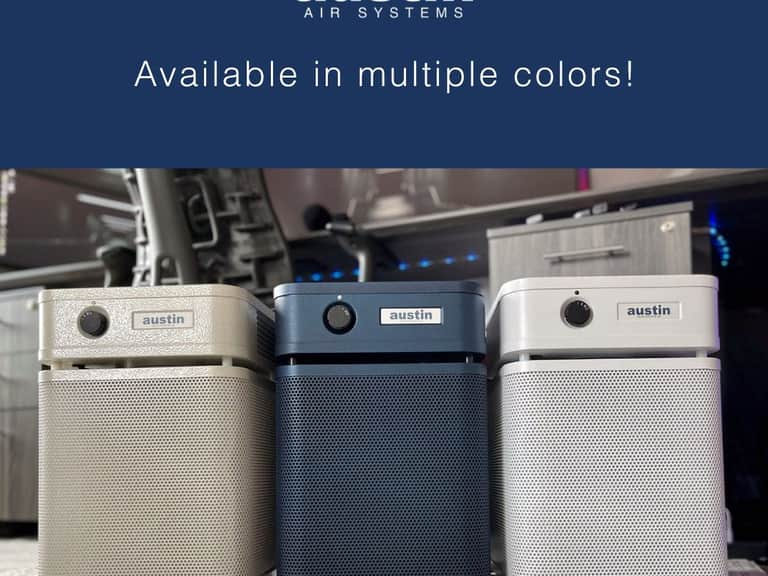
Within the current market, several products illustrate the diversity of options available. One notable example is the HealthMate Junior, a compact, solid-steel air purifier from Austin Air, which, while not a mattress protector, demonstrates how a well-engineered product family can emphasize clean air and a pristine sleeping environment. If you’re seeking a compact, clinically proven purifier to accompany a clean bedroom regime, the HealthMate Junior provides a reference point for quality and performance in compact spaces:
HealthMate Junior — Compact, solid-steel air purifier with 360-degree intake and a 5-year HEPA/Carbon filter.
In a comprehensive sleep strategy, a purifier complements the protector by reducing airborne irritants that could otherwise aggravate allergies or affect sleep quality. While the purifier is not a mattress protector, its inclusion here underlines the broader theme of a clean, controlled sleep environment.
Guiding conclusions for the discerning shopper
The mattress protector is a quiet steward of hygiene and longevity in the sleep environment. By focusing on materials, barrier technology, depth fit, and washability, shoppers can align their purchase with both practical needs and the serene, minimal aesthetic of a clean bedroom. The modern consumer, informed by reputable materials and a disciplined approach to care, can expect longer mattress life, a cleaner sleep surface, and a more restful night’s sleep.
Simplicity meets science: a concluding note
In rooms where the light is kept low and the air kept fresh, the details matter. The mattress protector is a simple but powerful instrument in the craft of better sleep. It embodies a practical fidelity to cleanliness, an adherence to design-conscious living, and a quiet invitation to rest.
Note: The product details and links included in this article are representative examples chosen to illustrate points about materials and features. Availability and specifications may change over time.